Avni integrations to save data teams 40 hours a week

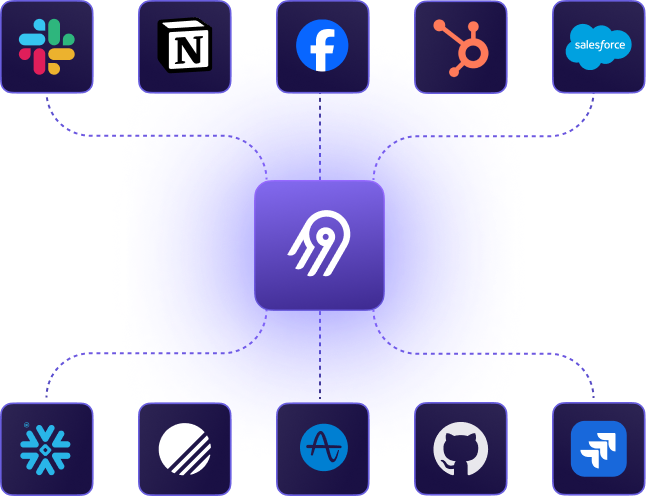
Modernize your data infrastructure with Airbyte's high speed data replication. Move large volumes of data with best-in-class CDC methods and replicate large databases within minutes.

Integrate Avni with

Scale your data integration with confidence

Start using Avni integrations in three easy steps

Integrate Avni connector in Airbyte

Choose a source connector to extract data

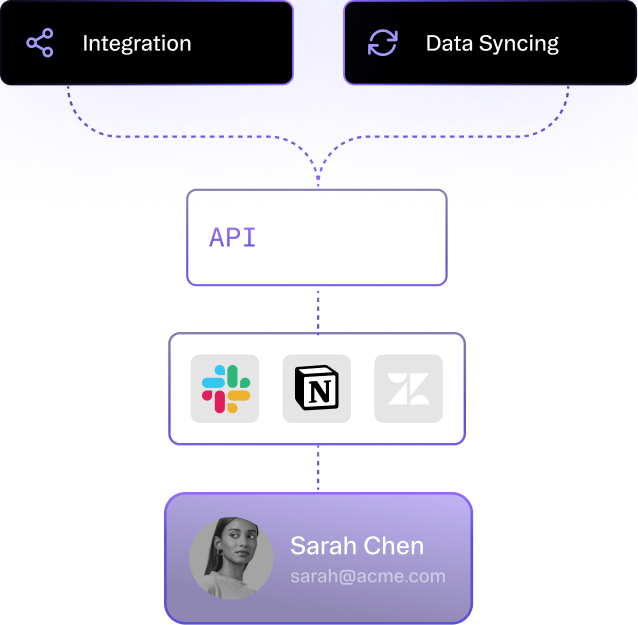
Connect Avni as a source in Airbyte to start the data extraction process - without deep technical expertise.

Choose a source connector from 400+ integrations available on Airbyte to start the data extraction process - without deep technical expertise.

Send Avni data anywhere you need it

Store your data inside Avni destination

Choose from 50+ Airbyte destinations, including warehouses, databases, and lakes, to store and analyze your Avni data.

Choose Avni from 50+ Airbyte destinations, including warehouses, databases, and lakes, to store and analyze the data from the source connector.

Configure your Avni data synchronization

Configure the integration for data synchronization

Select the Avni streams you need and define your sync frequency. Airbyte lets you choose exactly which data to load and where it lands for full pipeline control.

Select the streams you need and define your sync frequency. Airbyte lets you choose exactly which data to load and where it lands for full pipeline control.

Avni integrations let you do all these

Sync Avni data to BigQuery for advanced analytics

Try now

Replicate Avni data into PostgreSQL for structured querying

Try now

Get insights by merging Avni data with HubSpot

Try now

Export Avni data to Google Sheets for analysis

Try now

Avni integrations let you do all these

Sync Google Analytics data to Avni for analysis

Try now

Load PostgreSQL data in to Avni effortlessly

Try now

Keep Notion data fresh in Avni with automated syncs

Try now

Manage Salesforce data in Avni BigQuery for analytics

Try now

All about Avni integrations

What are Avni integrations?

The Avni integrations allow users to integrate and manage data from the Avni platform seamlessly. It enables the extraction and loading of various data types, facilitating data synchronization and analysis for better insights and decision-making.

Why choose Airbyte for Avni data integration?

Choosing Airbyte for Avni data integration offers a flexible, open-source solution that simplifies the process of connecting to various data sources. Its user-friendly interface and robust community support make it an ideal choice for organizations looking to streamline their data workflows.

What data can you extract from Airbyte’s Avni integration?

With Airbyte’s Avni integration, you can extract data such as subjects, program enrolments, program encounters, and subject encounters — enabling you to centralize Avni’s health and program data for analytics or reporting.

What data can you load to Avni?

With Airbyte’s Avni integration, you can extract data such as subjects, program enrolments, program encounters, and subject encounters — enabling you to centralize Avni’s health and program data for analytics or reporting.

How often does Airbyte sync my Avni data?

The frequency of data synchronization with the Avni connector depends on your configuration settings within Airbyte. Users can set their desired sync intervals based on their data needs and operational requirements, ensuring timely updates and insights.

Do I need coding experience to use the Avni integrations?

No, you do not need coding experience to use the Avni integrations with Airbyte. The platform is designed to be user-friendly, allowing users to set up and manage integrations through a visual interface without requiring technical skills.

Avni Integration Guides

Connect your favorite tools and services to Avni

No guides found.

About Avni

The Avni Project is an open-source initiative aimed at simplifying data integration across various platforms. By integrating Avni Project data, data engineers can automate workflows, enhance data accessibility, and improve collaboration. This streamlines data management processes, fosters innovation, and enables teams to derive actionable insights more efficiently and effectively.