

Setup in 3 easy steps
Start moving your data securely and reliably to any destination.


Choose Destination
Select from 50+ data warehouses, lakes, or databases to load your extracted data.

Configure Connection
Select streams, sync frequency, and sync modes (Full Refresh or Incremental).
Why Airbyte?
Airbyte is the only unified data movement platform built on an open standard, uniquely positioned for connector extensibility and AI workflows.

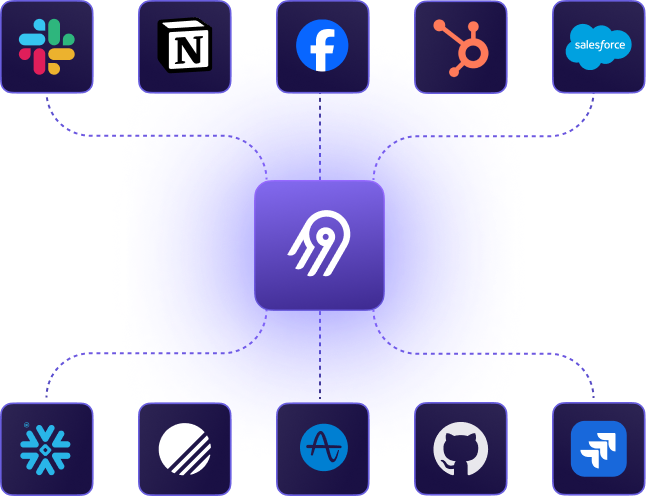

Create context for AI agents
Airbyte's pipelines transfer structured and unstructured data together for metadata preservation. With support for flexible destinations such as Iceberg, Airbyte is the ideal data movement solution for agentic applications.


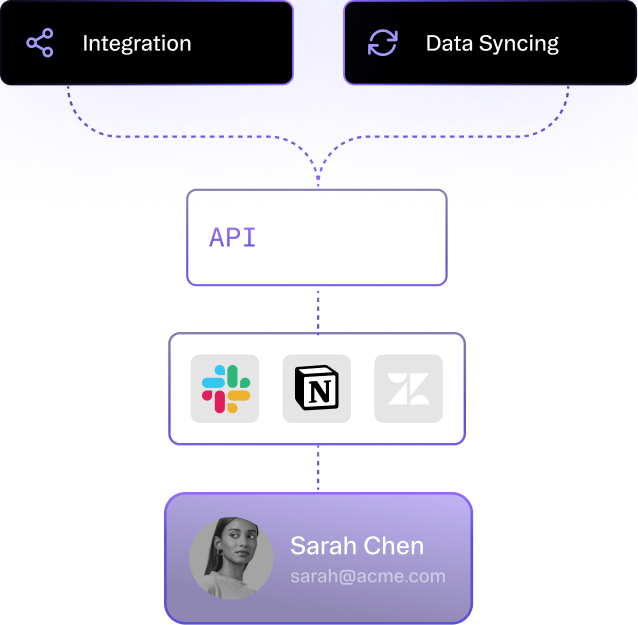

Flexible deployment options: self-hosted, cloud, and hybrid
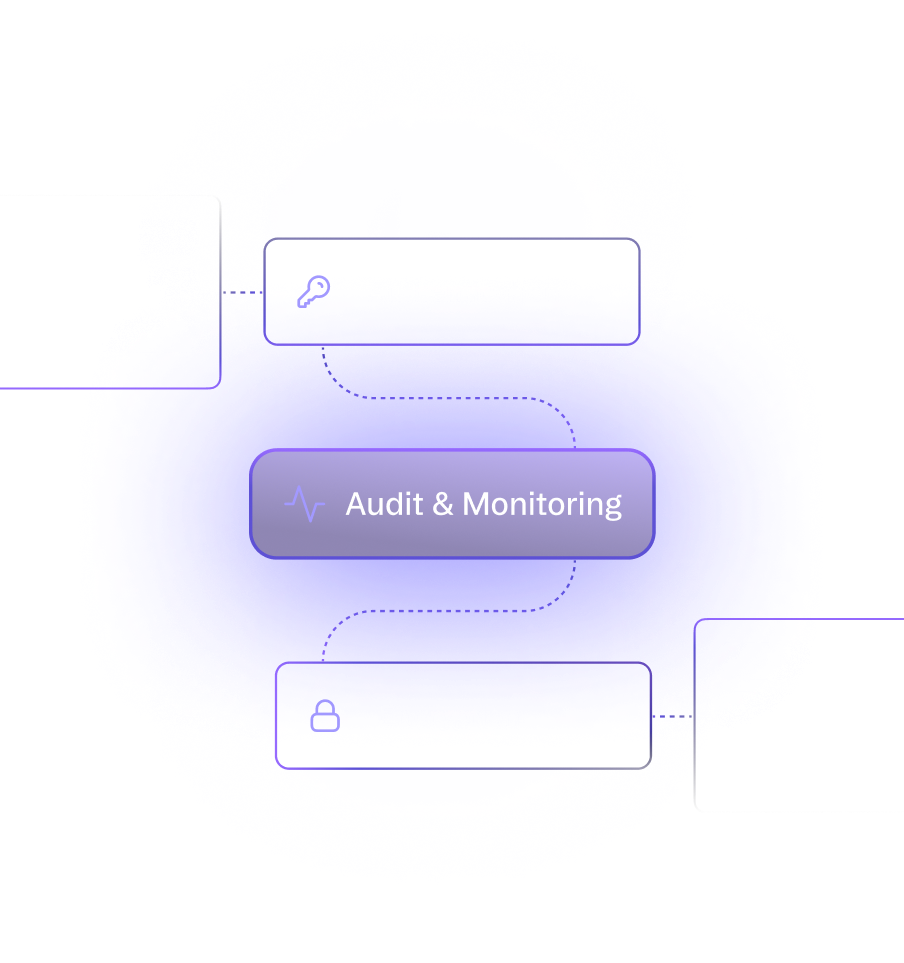
Secure and compliant: ISO 27001, SOC 2, GDPR, HIPAA, data encryption, audit/monitoring, SSO, RBAC, and more. Centralized multi-tenant management with self-serve capabilities.
Trusted by AI and Data leaders




Sean Carver
Director of Data at PetDesk
"The real ROI is in our ability to iterate quickly, especially at our increasing scale. At the end of the day, you want a tool like that to just work. We can forget about it and know that it's configured and it's connecting and it's working. That hands-free capability is a big appeal for the platform.”


Mondor La Grange
Head of BI and Data Engineering
"Unlike Fivetran's credit-based system that created budget uncertainty, Airbyte's pricing model allows Kuda to forecast expenses accurately and avoid surprise bills."


Amy Zhao
Senior Manager of Data Engineering
"What's different from Stitch Data or Informatica is the way that we can configure Airbyte connections and Airbyte entities through code. That's a huge plus to us as data engineers, because we are used to checking code and being able to manage changes from Github."


Franziska Ibscher
Product Manager at Drivepoint
"Airbyte allows us to stay flexible while scaling from hundred-million to billion-dollar enterprise clients."

Whether you're building Agents or Data Pipelines.